

.svg)

In 2018, J Turner Research released the ORA App to prospective renters. The idea was to give a score that had previously been used only by industry professionals to the people actually deciding where they were going to live. Now, there are over 100,000 prospects using the ORA App and its data to help them figure out the most critical piece of the apartment search equation: who is going to take good care of me?
The why of The ORA App is relatively simple. We at J Turner Research knew prospects cared very much about resident satisfaction, but the review landscape was getting messier and most of the ILSs had some form of inherent bias. ILSs can be wary of posting negative review content and can tend to skew performance toward paying clients. We brought the ORA App to prospects because it was clear that there was not a reliable place for renters to understand who would take care of them. We saw the opportunity to be the Carfax of the multifamily industry.
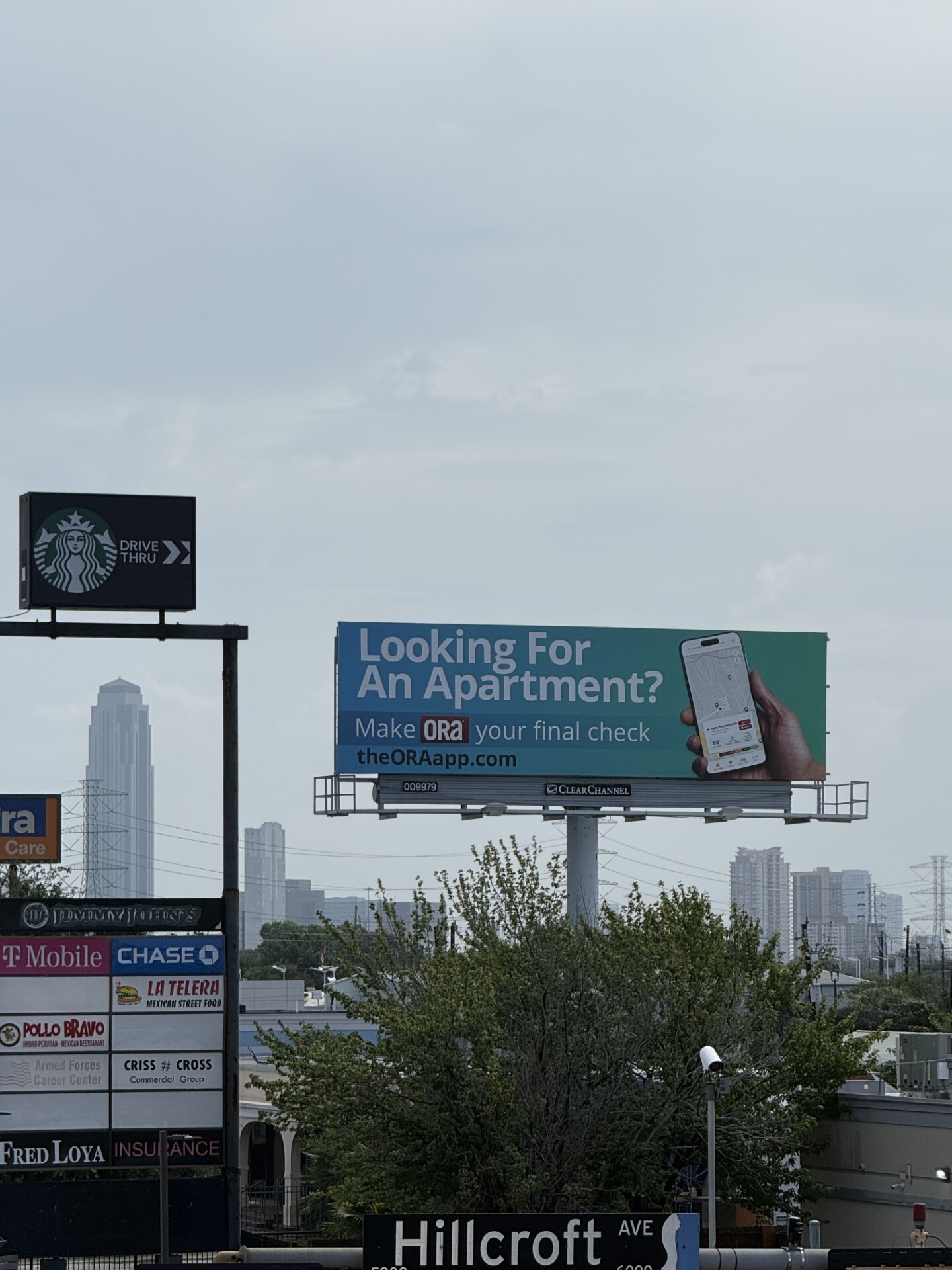
We are in the middle of our biggest campaign with the ORA App to date, pushing the score out to prospects through an influencer campaign on TikTok, Instagram, Facebook, and YouTube, billboards, physical and digital signage, and an advertisement campaign on Google. Because our focus has been the prospective renter, we have received transparent feedback from the end users. This blog explores a recent focus group we conducted in Houston, Texas, uncovering what they think of ORA, the ORA App, and what they desire to find out in the apartment search.
The Big Takeaway: Prospective renters find the ORA Score to offer value as an unbiased, easy way to qualify a property, but they resonate even more with the information we provided on a property’s strengths and opportunities.
Why It Matters: No singular metric is enough for a prospective renter to blindly trust you with a decision that is so important and costly. Insights into what to expect is what ultimately allows them to feel confident in where they want to live. Qualitative reputation management is an essential part of property management companies’ strategy in 2026 and beyond.
The CarFax of Multifamily: What Prospects Think of ORA
When we first rolled out The ORA App, there was concern that ORA would require so much education that prospects may be unwilling to learn it. However, that has not come to fruition — prospects see value in having one score that combines reviews from all 10+ review sites and appreciate the idea that we are unbiased. This has been evident in our strong cost per install numbers. Over the last four years, our cost per install sits right around 50% of the industry benchmark, reflecting a consumer that sees immediate value in and resonates with the concept.
Conversely, the much bigger challenge has been getting prospects to understand The ORA App as different than an ILS. The most common requests we have received for feature upgrades to date are things like adding price, floor plans, and pictures so that they can go to one place to search. Nevertheless, that is not our game, so a lot of our messaging has been focused on making ORA "the final check" before they tour or lease.
During our focus group, the “final check” message resonated the strongest with our attendees. The idea that they could use ORA to make an informed decision that may save them from a nightmare scenario gave them confidence. Specifically, they loved not only the ORA Score, but being able to compare properties via “Favorites,” seeing the trend of the ORA Score to understand if a property was worsening or improving, and having the national average to benchmark.

The whole concept of ORA and the ORA App is similar to CarFax’s model. While I am not comparing the multifamily industry to used cars, CarFax does a great job of arming both consumers and used car dealerships with factual reports based on data. Both CarFax and the ORA Score acknowledge that while two things may look the same at surface level, they can be distinctly different based on vehicle history or a property’s history with resident satisfaction, respectively. Increased buying confidence and avoidance of negative outcomes are exactly what has landed with the commenters on many of the influencer videos. Many users express that they wish they had ORA when they searched for an apartment.
The Value of Einstein: What Prospects Use Most
In the blogs this year I have really sought to emphasize a truth: we are in a new era of multifamily where content is king. Prospect skepticism and review literacy have driven prospects to not blindly trust any score and to go beyond the numbers to get a sense of what living at a property is actually like. They do NOT want to get burned by serious issues like Pests, Security lapses, or unfair Financial policies, but can live with relatively minor issues like Landscaping.
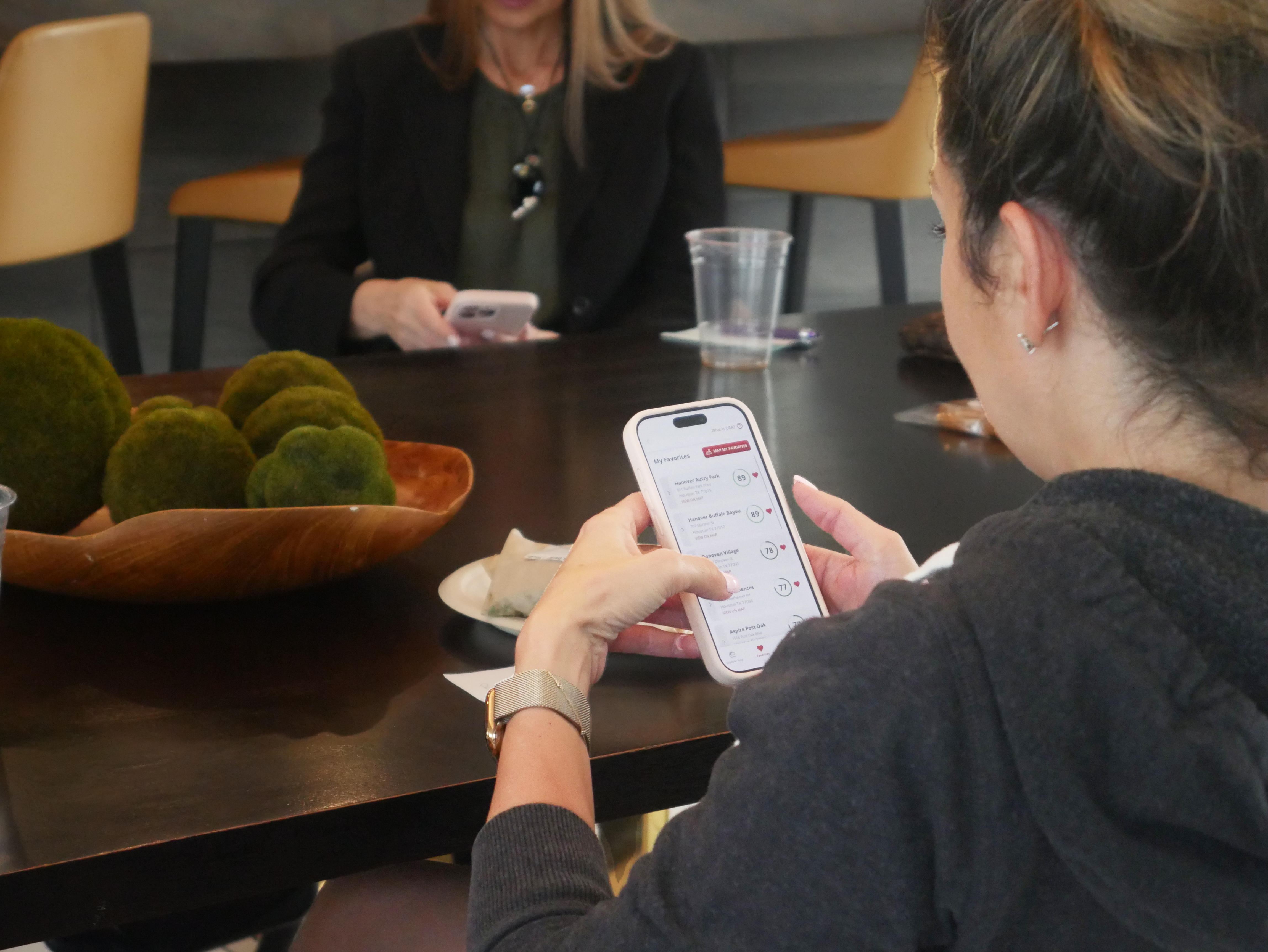
For our focus group, they saw ORA as an improved metric to initially qualify a property. While more testing is needed to establish meaningful thresholds, this group of people tended to feel good about any property over 80 and were open to properties above 70. However, no score made them feel like they did not need to dig further. As a result, the most popular feature of our app was the breakdown of qualitative data (what we call the “Einstein data”). This data is the interpretation of over 18 million reviews industrywide, bubbling up to each property having up to three strengths and three opportunities.
The qualitative data is baked into the ORA Score itself, so properties with serious issues that scare off prospects are very unlikely to have a good ORA to begin with. But for our attendees, seeing was believing, especially when the data came from us. Outside of the fact that qualitative data is important for almost every prospect, they liked that the findings were coming from an expert (in this case, J Turner Research).
This desire for an expert opinion is consistent with consumer trends. In fact, Julie O’Neil and Marianne Eisenmann said in an article from Public Relations Review that:
“expert content is more effective in terms of increasing consumers’ familiarity, affinity, and purchase intent in comparison to branded content and user reviews.”
So, seeing this exact type of information from a source that is unbiased and well-versed checked all the boxes for our focus group.
As far as the features they liked, they loved being able to filter to any of the 22 categories that mattered to them, they liked seeing performance scaled versus the national average, and they liked that the findings were simple. Notwithstanding, they made sure to bring up that they would like us to go deeper into the qualitative. Specifically, they asked for:
- Subcategories (e.g. if complaints are about Cleanliness, is it litter, odors, or mold)?
- Quantification of performance (e.g. how many complaints has this property received about Communication)?
- Detailed explanations of the categories
The engagement we witnessed with this type of information supported our position that qualitative reputation management is essential in 2026. Multifamily professionals absolutely must lean into not only understanding this data but prioritize improving opportunity areas through strong operations.
Other Takeaways
While the ORA Score and Einstein data is enough to keep prospects downloading and using the app successfully, there were requests for other features we found interesting.
The top point was that there still seems to be opportunity around neighborhood information during the apartment search. Prospects want to understand what the neighborhood is like, the attractions in the area, how long their commute might be, how the schools are rated, and so on. While they are frequently using AI to help, and property websites and ILSs sometimes try to satisfy their desire, there was still an imploration for us to consider factoring that into the ORA App, telling us there is some level of dissatisfaction.
Additionally, we took away the following points from our attendees:
- People were very thorough in their search — leveraging social media, Apts.com, Zillow, and Google reviews before touring a shortlist of properties.
- The biggest stressors were being able to understand availability, get authentic photos/experience insights, and know what the resident experience will be like
- Social media has value but comes with limitations and frustrations:
- Influencer videos felt overdone (not realistic)
- The content seemed too canned/repurposed (“it’s just the same shots”)
- There was no listing information on socials
- The people leaving “reviews” seem sales oriented unless it is someone recording after just moving out
- Satisfaction information is typically looked at before touring and always before a final decision
Conclusion
In conclusion, we took away that each part of the search process is incredibly important, and putting your best foot forward on each channel matters. However, the one that moves the needle is satisfaction data. Your qualitative reputation online determines leases. The properties that win won't necessarily be those with the best marketing. They'll be the ones whose resident experience stands up to increasingly sophisticated research.
ABOUT THIS BLOG:
The insights in this blog came from utilizing J Turner Research’s text categorization tool, Einstein. Einstein uses Thought Analysis, a proprietary AI software, to objectively show you your operational strengths and weaknesses based on anything anyone has ever said about you online in reviews. What is being said is incredibly valuable because it is essentially the "why" behind your scores. Reviews are unprompted descriptions of why a resident is satisfied (left a high star rating) or dissatisfied (left a low star rating). This means that what is being complimented and complained about can be seen by owners and operators as drivers of satisfaction/dissatisfaction.